
The Key Answer
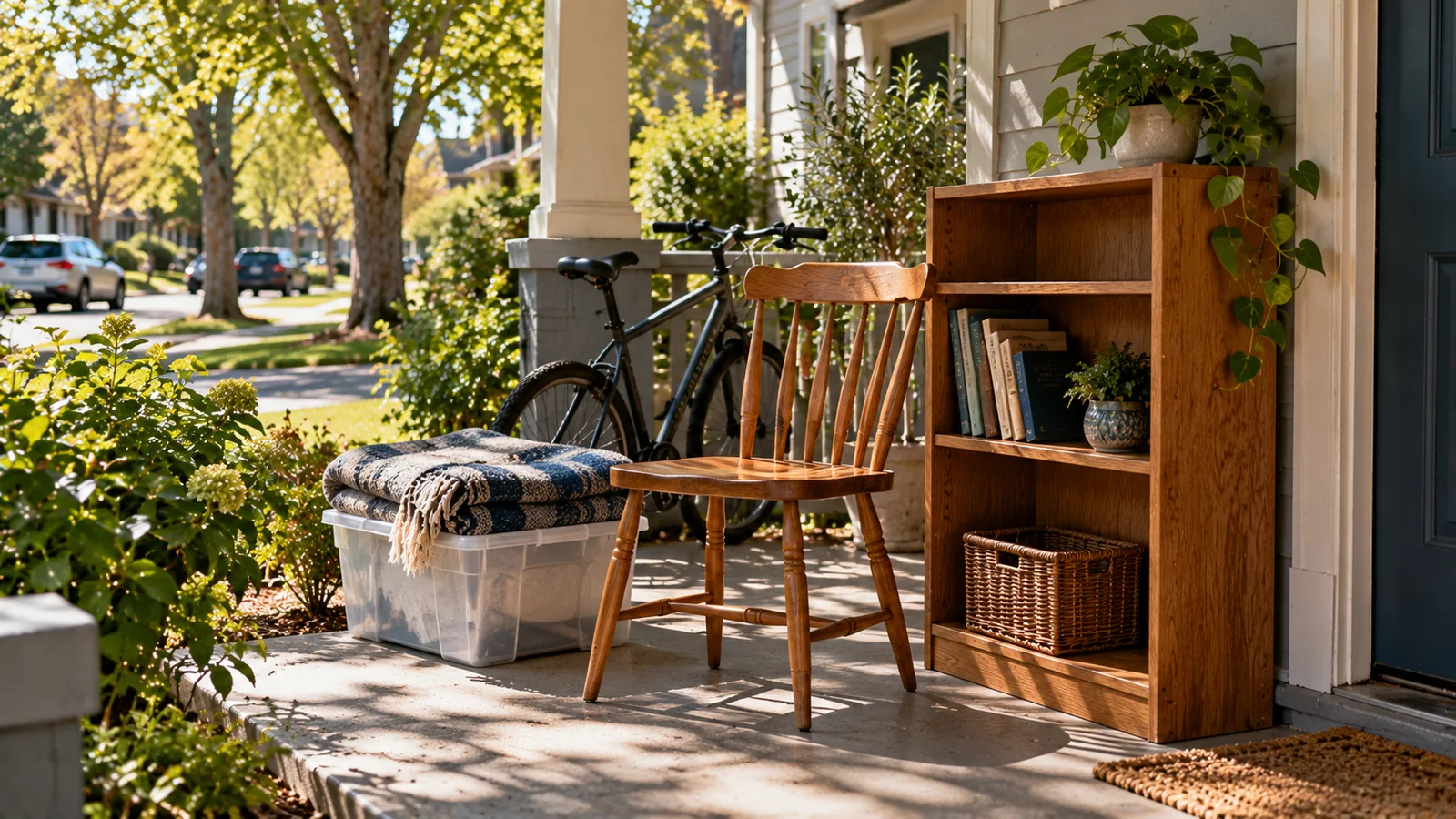
If you arrive in California with little luggage, you do not have to furnish an entire home immediately. Local giveaway groups, nonprofit distribution programs, and community centers may help. But a “free” offer should never lead to unsafe meetings or hidden charges.
Legal and Practical Basics
Charitable donations of furniture and household goods are different from public benefits. Each organization sets its own distribution rules. Items are not guaranteed to everyone, and availability varies by county. For private giveaways, verify that the listing is genuine, plan a safe pickup, and pay special attention to the safety of items intended for children.
Free assistance should not be confused with a government promise of benefits. A nonprofit, a government agency, and a private Facebook group play different roles. Before accepting a payment request, uploading documents, or booking an appointment, verify the provider's identity and the original source. Never publicly share passport numbers, A-Numbers, Social Security numbers, medical records, EBT card details, or children's personal documents.
Step by Step
1. List your most urgent needs: a place to sleep, blankets, kitchen supplies, seating, or warm clothing. Separate items you need today from those you can obtain later. This reduces unnecessary transportation and prevents expensive impulse purchases.
2. Search 211 California for “Furniture Assistance,” “Clothing Closet,” “Household Goods,” and local nonprofit organizations. Ask not only where the office is located but also whether and when individuals can actually pick up donated items.
3. Check reputable local giveaway groups, Buy Nothing networks, and free classified listings. Read the description, condition, and pickup location carefully. A free piece of furniture on the other side of California is rarely practical if you have no way to transport it.
4. Avoid advance payments or supposed “shipping insurance” charges for free items. Meet strangers in safer locations when possible, and bring someone you trust when collecting heavy items. Do not publicly disclose your full home address unnecessarily.
5. For cribs, car seats, high chairs, and electrical appliances, check current product recalls and the item's condition. Used products can be damaged or no longer safe. The U.S. Consumer Product Safety Commission (CPSC) is an official source of recall notices.
6. If an assistance organization has no suitable items, ask about partner agencies and future distribution days. In our group, you can share verified general links, cities, and pickup times, but not personal information about families requesting help.
A Practical Example
A family moves into a furnished room in Sacramento and needs only bedding, children's clothing, and a small table. They find clothing through a pantry and a table through a local giveaway group. When offered a supposedly free crib, they first check its condition and whether it has been recalled.
Common Mistakes and Risks
– Buying gift cards in advance for an allegedly free delivery. – Accepting used children's safety equipment without inspection. – Agreeing to pickups without arranging transportation. – Publishing donors' private addresses without their consent.
Frequently Asked Questions
Question: Does the government provide free furniture to every newcomer? Answer: No. Local programs and charitable donations depend on availability.
Question: Are giveaway groups safe? Answer: They can be helpful, but each specific offer must be checked.
Question: Where can I check product recalls? Answer: On the Consumer Product Safety Commission's website.
A Safer Process for Newcomers
For first contact, use a publicly listed telephone number or website rather than a random private message whenever possible. Record the organization's name, the specific purpose of your contact, when you called or wrote, and the next steps. If language is a barrier, an interpreter, someone you trust, or official language assistance may help. Give truthful information about your circumstances and avoid offers that promise guaranteed government outcomes in exchange for a fee.
Checklist
□ Listed the most important needs □ Searched 211 for donated household goods □ Verified free listings □ Planned safe pickups □ Checked children's products □ Made no advance payments
Official and Public Information Sources
• https://211ca.org/ • https://www.cpsc.gov/Recalls • https://www.cafoodbanks.org/find-food/
Please confirm current rules and availability with the official sources. This article is not individualized legal or benefits advice.
← All guides