
The Key Answer
California has varied landscapes, but wildfires, smoke, and extreme heat can cause problems even far from an active fire. Rely on responsible local authorities for evacuation decisions and enroll in local emergency alerts after moving.
Legal and Practical Basics
CAL FIRE publishes information about active fires and preparedness. Specific evacuation warnings and orders are often issued by authorized local emergency management and law enforcement agencies. An Evacuation Warning indicates a potential threat and the need to prepare; an Evacuation Order means people must evacuate immediately according to local instructions. Other hazards, including wildfire smoke, can be tracked through resources such as AirNow.
Immigration, family, and public benefit issues can have very different deadlines and legal consequences. A Facebook group or general website can explain official information, but cannot decide individual legal cases. Share identifying documents only with verified and authorized organizations through secure channels. Membership in a German-speaking community does not confer special government eligibility or a right to cash benefits.
Step by Step
1. Identify the county where you actually live. Register for its available emergency alert service and check the official website of your local sheriff, emergency management office, or city government. An Instagram post cannot replace an authoritative warning.
2. Read California's Ready for Wildfire evacuation guidance. Pack a small emergency bag with essential medications, copies of documents, water, food, a phone charger, flashlight, and contact information. People with children, disabilities, or pets need a specific additional departure plan.
3. Check at least two potential routes away from your home. If you do not own a car, ask early about local evacuation transportation and a safe meeting point. When the danger is serious, do not assume that firefighters will knock on every door.
4. Distinguish an Evacuation Warning from an Evacuation Order by reading the actual local instructions. Follow an official Order immediately. In a situation of concrete danger, voluntarily leaving earlier may also make sense even without a formal order.
5. During smoky conditions, consult AirNow and official local air-quality notices. Children, older adults, and people with respiratory or heart conditions may face particular risks. Follow public health and medical guidance; improvised precautions do not replace a safer indoor environment.
6. After evacuating, return only after the responsible authorities give clearance. Downed power lines, damaged gas lines, and unstable buildings can create danger in affected areas. Document important contacts and alternative places to stay.
A Practical Example
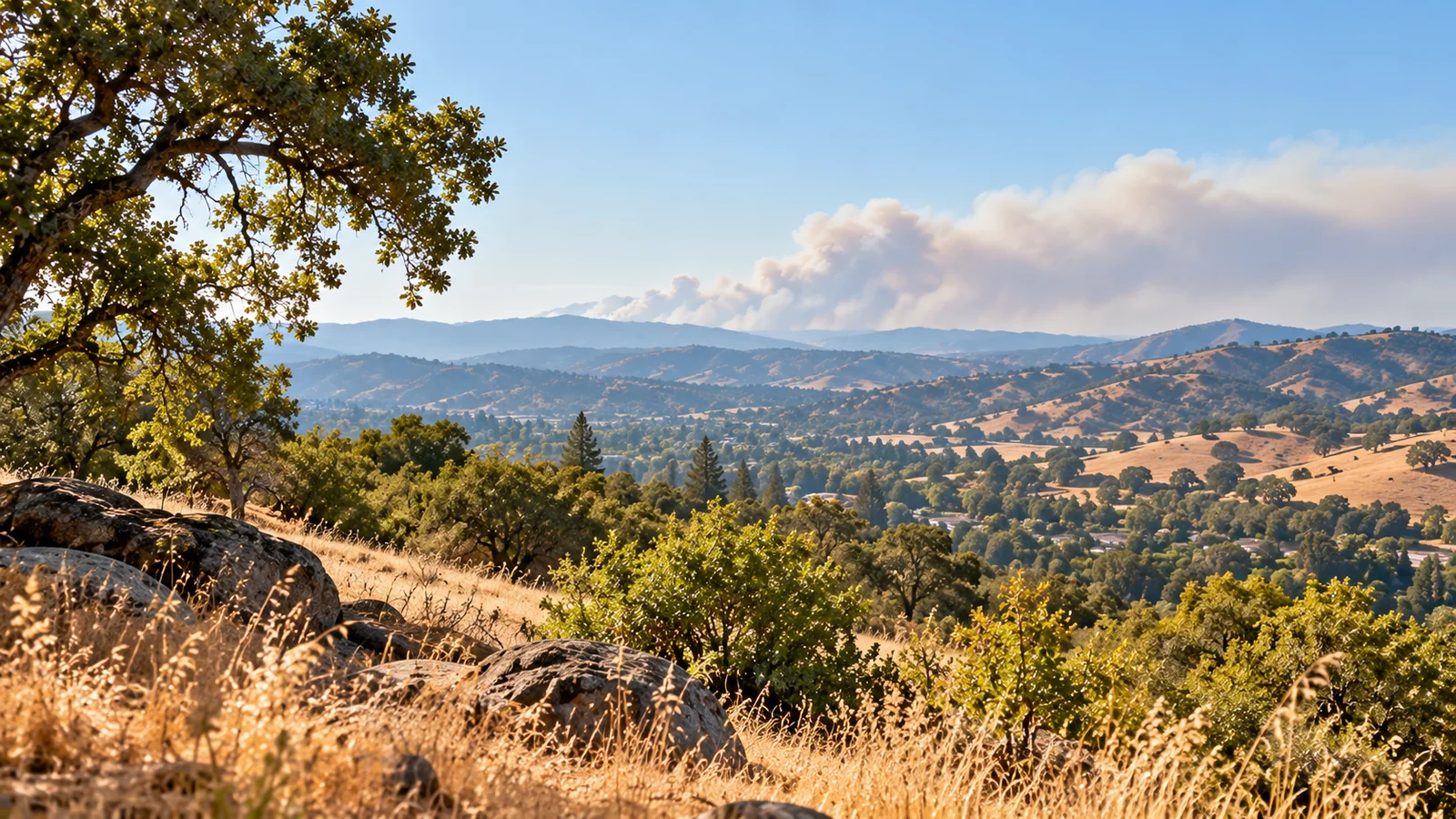
A family lives near the Sierra Nevada during summer. They see smoke on the horizon while rumors spread in a group chat. Rather than forwarding unverified maps, they check local government alerts, CAL FIRE updates, and AirNow. If officials issue an evacuation order, they leave according to local directions.
Common Mistakes and Risks
– Treating an Evacuation Warning as identical to an Evacuation Order. – Relying only on a statewide fire map for local evacuation routes. – Failing to plan transportation for children, ill people, or pets. – Returning after an alert ends without official clearance.
Frequently Asked Questions
Question: Where can I find current wildfire information? Answer: Through CAL FIRE and local government agencies.
Question: Who issues the actual evacuation order? Answer: Usually the authorized local authorities or law enforcement agencies.
Question: Where can I see wildfire smoke conditions? Answer: Through AirNow and local air-quality updates.
What to Check Before an Important Decision
Read the entire original agency notice, not merely a social-media summary. Confirm which federal agency, county, or court has authority, when the notice was issued, and whether any new rule has taken effect. Keep official confirmations and documents secure. When danger is imminent, emergency services and local safety instructions take priority. Early advice from qualified representatives may be crucial for complicated legal questions or deadlines.
Checklist
□ Found my county's alert service □ Packed an emergency bag □ Planned two escape routes □ Distinguished a Warning from an Order □ Checked AirNow □ Waited for permission to return
Official Sources
• https://www.readyforwildfire.org/prepare-for-wildfire/go-evacuation-guide/ • https://www.fire.ca.gov/incidents/ • https://fire.airnow.gov/ • https://www.ready.gov/alerts
Please confirm current rules and availability with the official sources. This article is not individualized legal or benefits advice.
← All guides